nutrition
Targeted Nutrition: Reclaiming Metabolic Health and Reducing Visceral Fat
A science-backed 12-week framework for eliminating metabolic disruptors, rebuilding gut and hormonal health, and losing dangerous visceral fat.

For decades, conventional nutrition advice has been built on a deceptively simple premise: eat less, move more. While caloric balance plays a role, this reductive framework has failed millions struggling with chronic metabolic disease. eMedicard's philosophy is a deliberate departure from generic dieting — a personalised metabolic framework that targets the root causes of poor health, not just its surface symptoms.
Central to our approach is the Carbohydrate–Insulin Model. When we consume high volumes of refined carbohydrates, blood glucose spikes, triggering repeated surges of insulin. Over time this hormonal stress drives fat storage, impairs metabolic signalling, and creates the cellular environment in which Type 2 Diabetes, hypertension and metabolic syndrome take root.
The primary therapeutic target therefore is lowering insulin levels — not simply cutting calories. When insulin stabilises, ghrelin and leptin start functioning correctly, appetite becomes predictable, energy stabilises and the cycle of craving and overeating finally breaks.
Low Carb, Healthy Fat is an evidence-based umbrella that spans several intensities:
eMedicard clinicians deliberately resist assigning every member the same macronutrient ratio. Adherence is paramount — a moderate approach followed at 90% consistency will consistently outperform a strict protocol followed sporadically.
"The best low-carb approach is the one a member can follow consistently for life — not the most aggressive one that collapses after six weeks."
Simply reducing carbohydrates — regardless of what fills the gap — is insufficient. The "dirty LCHF trap" of processed meats, industrial seed oils and refined keto-branded snacks undermines the entire framework. The food matrix matters as much as the macronutrient count.
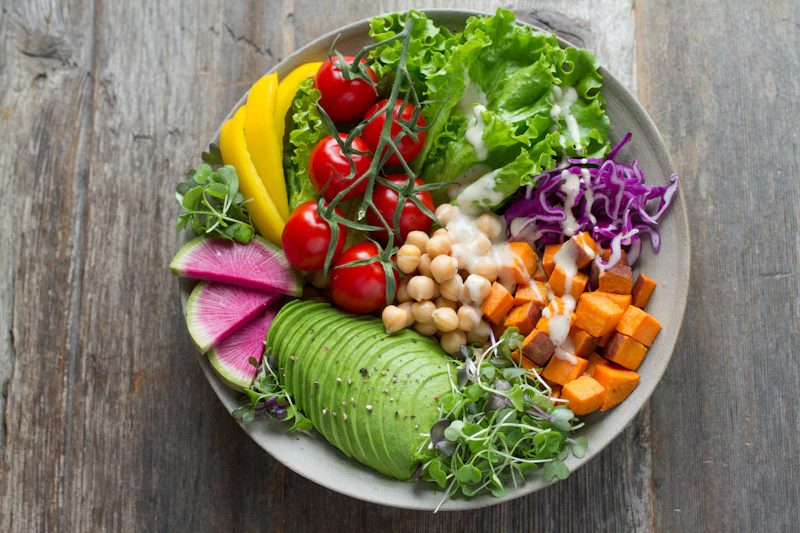
Prioritise:
Avoid: industrial seed oils (canola, sunflower, soybean, corn), processed deli meats, refined "keto" bars and cookies, and large quantities of starchy root vegetables.
Half a century of oversimplified messaging has left many members anxious about dietary fat. Modern lipid science tells a more nuanced story:
The overall cardiometabolic risk profile — blood pressure, CRP, fasting insulin, HbA1c and the trig/HDL ratio — almost universally improves on a well-formulated LCHF protocol.
eMedicard's clinician-led reversal programmes translate this science into structured outcomes for Type 2 Diabetes, hypertension and high cholesterol:
Because glucose, blood pressure and lipids often improve rapidly, professional monitoring is not optional — medications must be dose-adjusted in real time to prevent hypoglycaemia or hypotension.
The ultimate goal is not a number on the scale — it is metabolic flexibility: a body that efficiently burns both dietary and stored fat, with stable energy, controlled appetite and minimal dependence on constant carbohydrate intake. Consistency at 80–90%, navigated with awareness, will always outperform rigid perfection punctuated by collapse.
"The goal is not a perfect diet. The goal is a body that has regained its ability to heal, regulate and thrive — fueled by real food, guided by science, and sustained by understanding." — eMedicard Global Nutrition Philosophy

Founder, eMedicard Global
Dr. Khan is the Lead Clinician and Founder of eMedicard Global. A graduate in medicine with Dip. Dermatology, his personal heart recovery led him to pioneer integrated, root-cause disease reversal protocols combining metabolic Doctors Meal nutrition and traditional wisdom.
Connect on LinkedInA science-backed 12-week framework for eliminating metabolic disruptors, rebuilding gut and hormonal health, and losing dangerous visceral fat.