For decades, conventional weight loss advice has been dominated by a single, deceptively simple formula: Calories In, Calories Out (CICO). We have been told that obesity is merely a math problem—a failure of willpower to eat less and exercise more. Yet, global obesity rates continue to skyrocket, and long-term studies reveal that 95% of calorie-restricted diets fail within a few years. Why?
The answer is that obesity is not a caloric imbalance; it is a hormonal imbalance. Specifically, weight gain and fat storage are tightly regulated by the endocrine system, with one hormone playing the starring role: insulin.
1. The Caloric Myth vs. Hormonal Reality
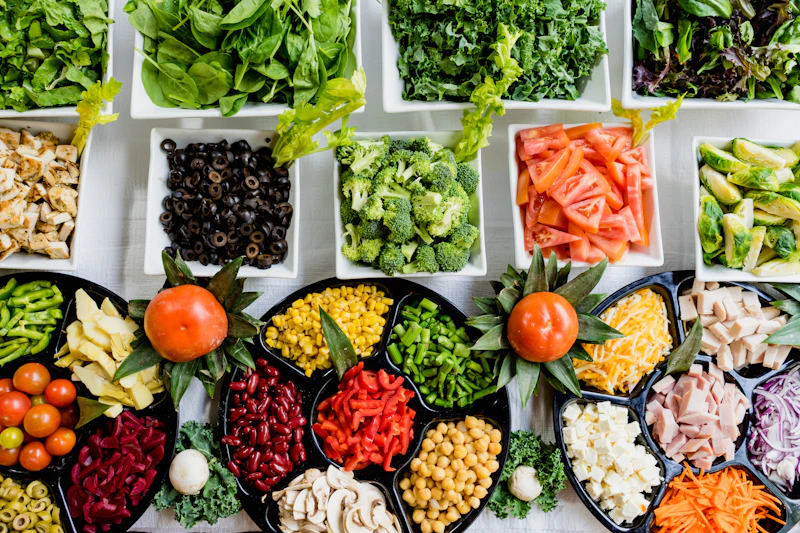
The CICO model assumes that all calories are created equal. It suggests that 100 calories of broccoli will have the same effect on the body as 100 calories of soda. From a purely thermodynamic perspective, this might be true in a closed beaker. But the human body is a highly complex, open biological system regulated by hormones.
When you consume sugar or refined carbohydrates, your blood glucose spikes, prompting your pancreas to secrete insulin. If you consume fiber-rich vegetables, the insulin response is negligible. These two foods trigger completely different metabolic pathways, regardless of their calorie count.
2. Insulin: The Master Fat-Storage Switch
Insulin is an anabolic hormone, meaning its primary job is to store energy. When insulin levels are high, your body is in "storage mode." It takes glucose out of the bloodstream and stores it first as glycogen in the liver, and then as fat in adipose tissue.
Crucially, high levels of insulin actively block fat burning. As long as insulin is elevated, the enzyme lipase—which releases stored fat to be burned as fuel—is completely suppressed. You cannot burn fat if your insulin levels remain constantly high, no matter how few calories you consume.
3. The Slowdown of Basal Metabolism
When you restrict calories while keeping insulin high (by eating small, high-carb meals throughout the day), your body faces a crisis. It has less energy coming in, but it cannot access its stored fat because insulin is blocking the door.
To survive, your brain does the only logical thing: it slows down your basal metabolic rate (BMR). You feel tired, cold, and hungry because your body is burning fewer calories to match the restricted intake. This is why crash diets lead to temporary weight loss followed by a rapid plateau and subsequent weight gain.
4. Resetting Your Insulin Baseline
To reverse obesity permanently, we must shift the focus from calories to hormones. We must lower insulin levels to allow the body to access its fat stores. This is accomplished through two highly effective clinical strategies:
- Doctors Meal Nutrition: By replacing refined starches and sugars with healthy fats and proteins, we minimize the insulin response, turning off the fat-storage switch.
- Intermittent Fasting: Periods of fasting allow insulin levels to drop to their baseline, prompting the body to enter a state of fat oxidation (lipolysis).
"Obesity is a hormonal disorder of fat accumulation. Fix the hormones, and the weight regulates itself."
By understanding that weight regulation is controlled by chemical signals rather than simple caloric mathematics, we can choose dietary strategies that support sustainable, long-term metabolic health.

Dr. Abdul Mutalib Khan
Founder, eMedicard Global
Dr. Khan is the Lead Clinician and Founder of eMedicard Global. A graduate in medicine with Dip. Dermatology, his personal heart recovery led him to pioneer integrated, root-cause disease reversal protocols combining metabolic Doctors Meal nutrition and traditional wisdom.
Connect on LinkedIn